

Building Futures Together: Columbia and the Pinkerton Foundation Expand Opportunities for New York City Youth
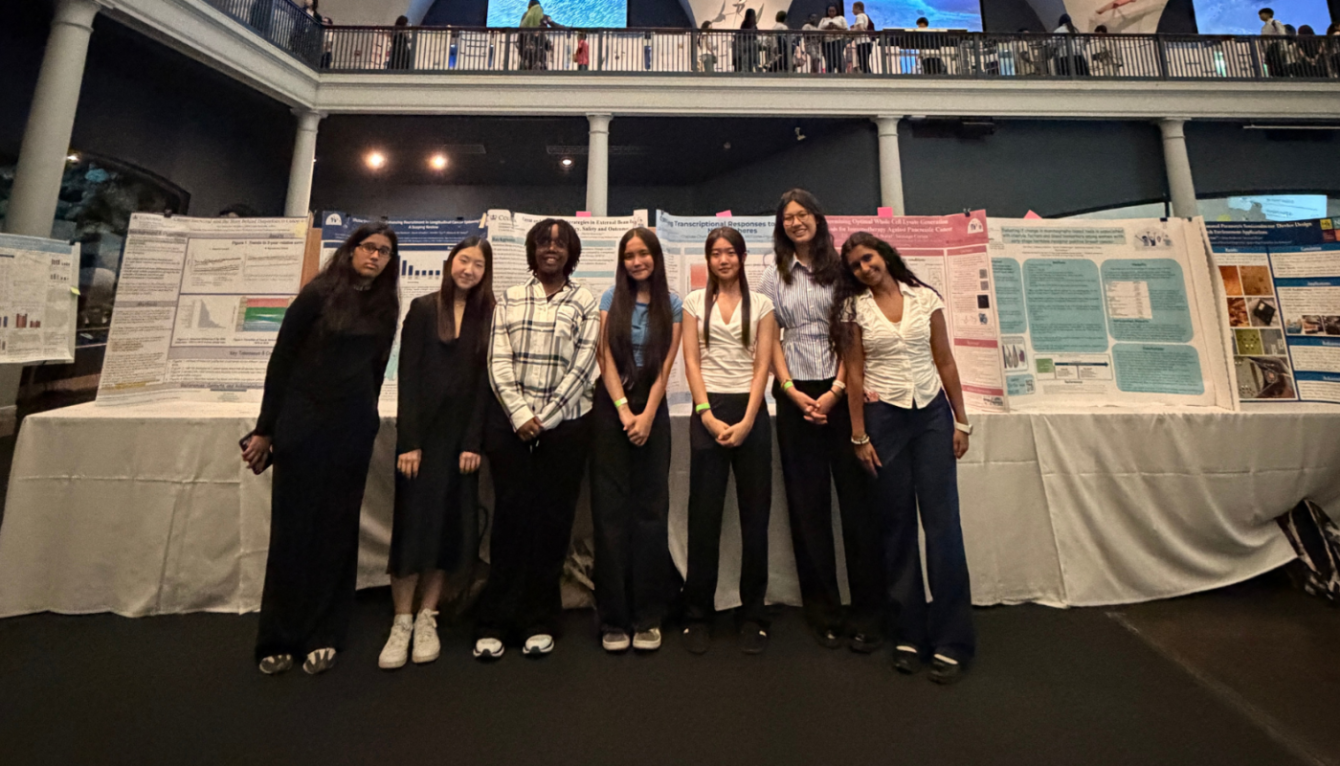
Across its campuses on Morningside, Lamont-Doherty Earth Observatory, Manhattanville, and Washington Heights, Columbia University runs a constellation of programs that create pathways to college, research, and careers for local high school and undergraduate students. Through college advising, paid summer research experiences, hands-on learning in world-class laboratories, and mentorship from scientists and educators who believe in their potential, these programs help young New Yorkers achieve futures in higher education and beyond. None of it would be possible without the generosity of partners like the Pinkerton Foundation, whose sustained investment in youth development has helped these programs grow and reach more students each year.
Columbia is proud to thank the Pinkerton Foundation for its continued support and to share a look at what that support has made possible.
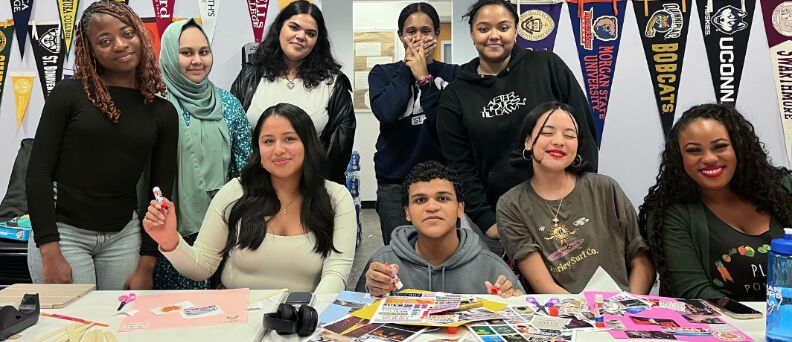
Double Discovery Center
Anchored in Columbia College on the Morningside campus, the Double Discovery Center (DDC) works with first-generation, college-bound youth from low-income communities in Harlem and Washington Heights, wrapping students in academic enrichment, college and career counseling, and health and wellness support from high school through college graduation. DDC partners with local schools and has served over 1,000 students across the New York City area annually. Since its founding in 1965, DDC has helped over 25,000 NYC youth enter and graduate from college. More than 95% of DDC students graduate from high school in four years and enroll in college the following fall, with many alumni continuing on to graduate education, including masters and doctoral degrees.
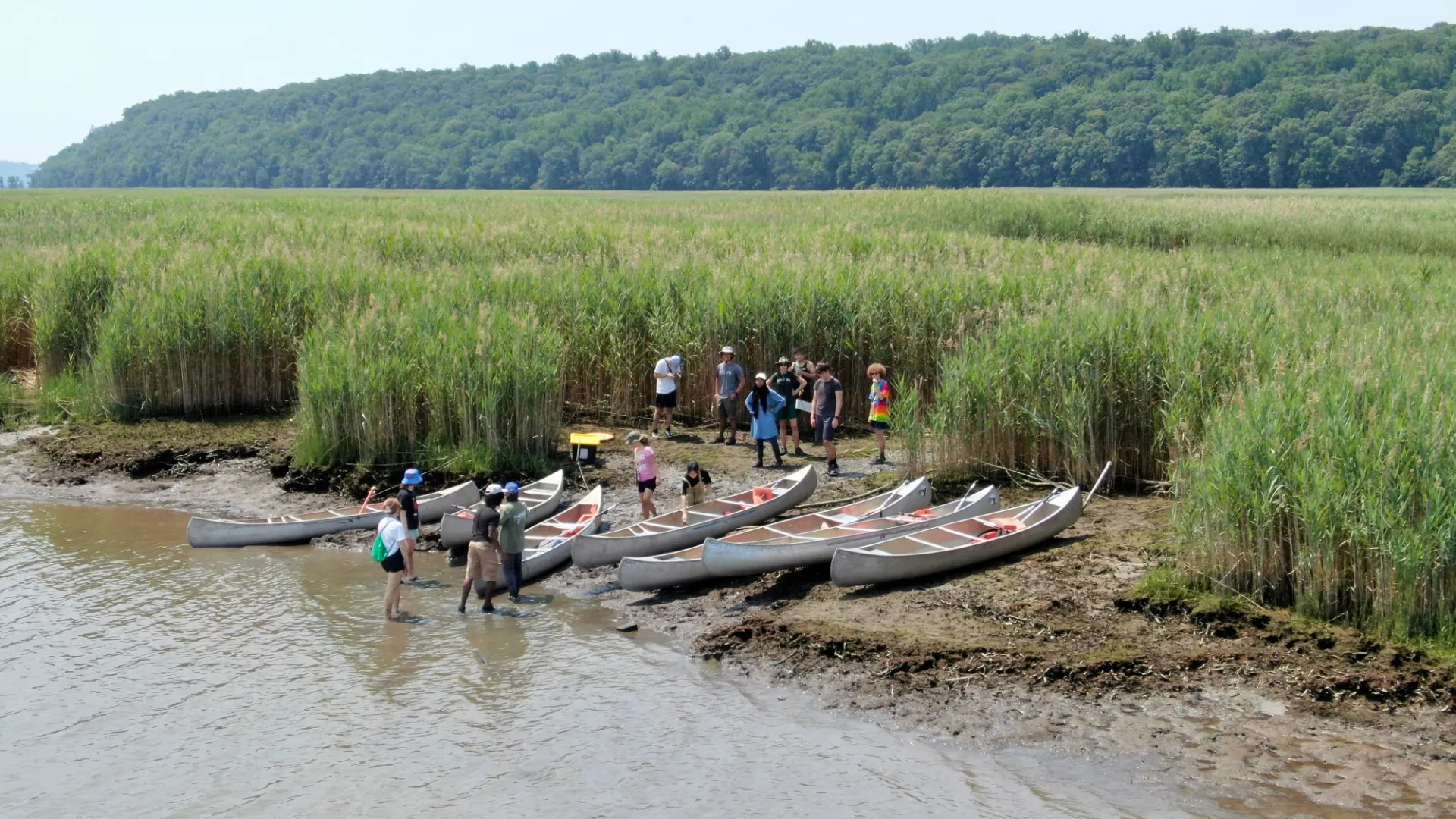
Secondary School Field Research Program
At Lamont-Doherty Earth Observatory, the Secondary School Field Research Program (SSFRP) brings high school students, undergraduate students, and science teachers to the Lamont campus each summer for six weeks of paid field and laboratory research. Students are immersed in team-based projects, and conduct rigorous biodiversity and environmental research in wetlands, along shorelines, and in students’ neighborhoods in the New York metropolitan area. For the past 22 years, SSFRP has served over 500 students; 100% of program graduates have gone on to college, and 40% major in science or engineering.
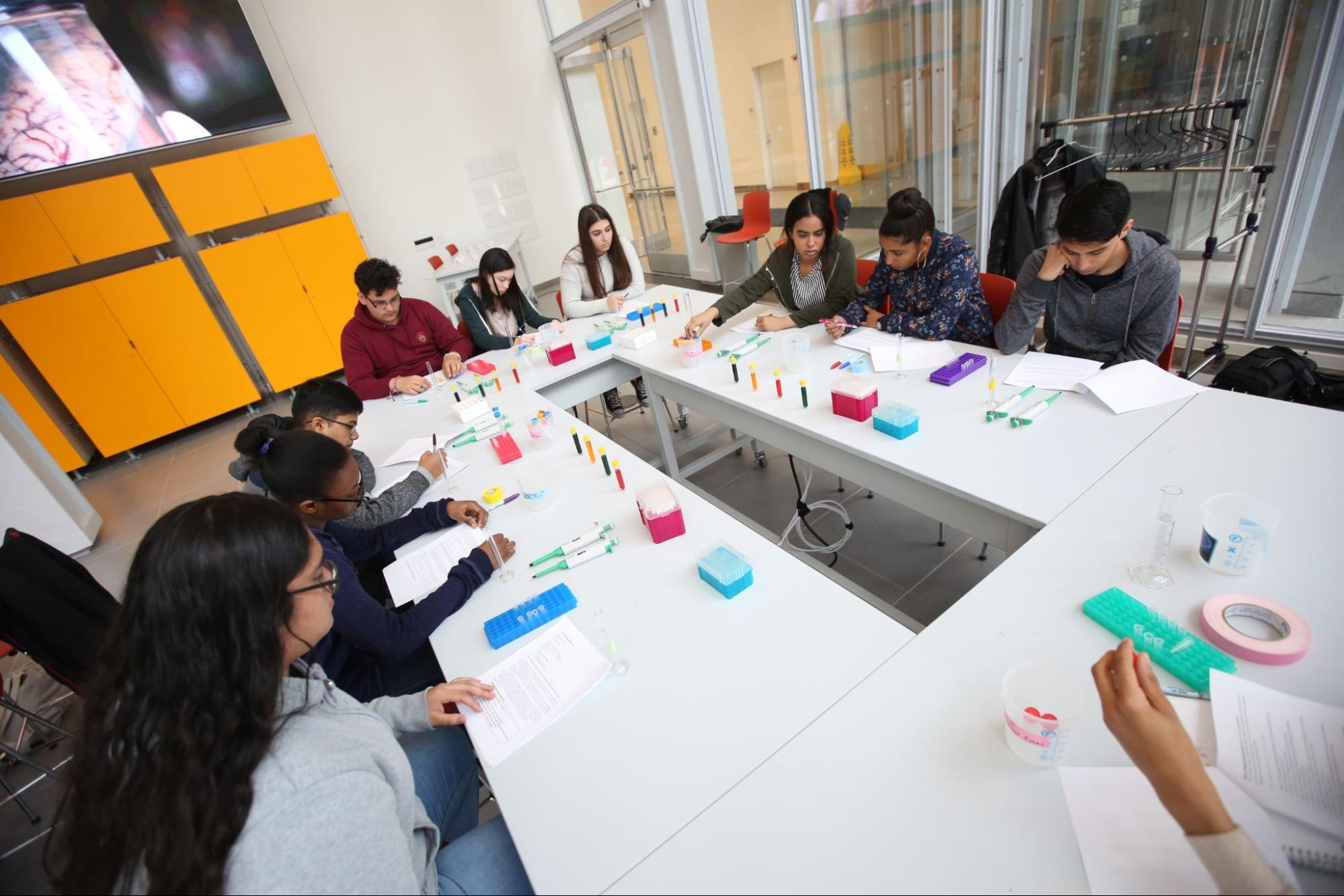
Brain Research Apprenticeships in New York at Columbia
At Columbia’s Mortimer B. Zuckerman Mind Brain Behavior Institute, BRAINYAC (Brain Research Apprenticeships in New York at Columbia) enrolls students from select partner programs and schools in Upper Manhattan and the Bronx to introduce them to neuroscience research, develop their research and science communication skills, and inspire future STEM careers. The program offers hands-on research training, paid internships, mentorship, and community engagement. Since its launch in 2013, BRAINYAC has served more than 250 students. Among the 128 alumni for whom college-major data are available, 91% are pursuing STEM fields; of those majoring in the sciences, 80% have chosen neuroscience or related disciplines, including biological and biomedical sciences.
YES in THE HEIGHTS
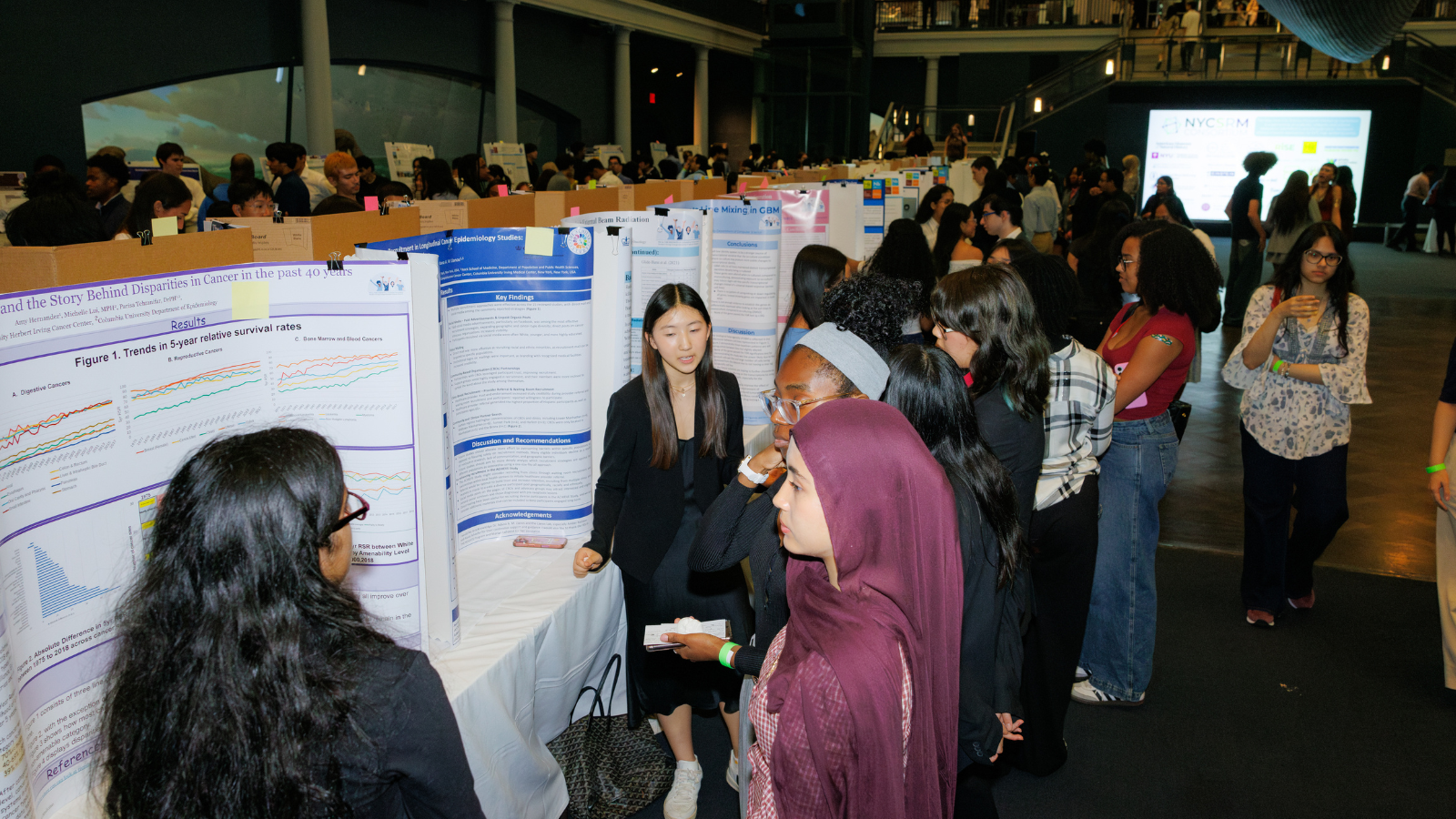
At the Herbert Irving Comprehensive Cancer Center in Washington Heights, the YES in THE HEIGHTS program is a summer internship for high school and undergraduate students that aims to increase the pool of youth entering STEM fields. Over two years, the YES students engage in research labs, clinical rotations, and workshops. Through exposure to research, real-world medical scenarios, and cutting-edge cancer tools, students gain a real understanding of patient care, from the communication of hopeful test results to the discussion of end-of-life realities. Almost 100 students have participated since the program’s inception 11 years ago. One hundred percent of high school participants go to college, and 100% of college scholars have continued their education in graduate school or got a job in the science industry.
Student Training in Astronomy Research Mentoring Program
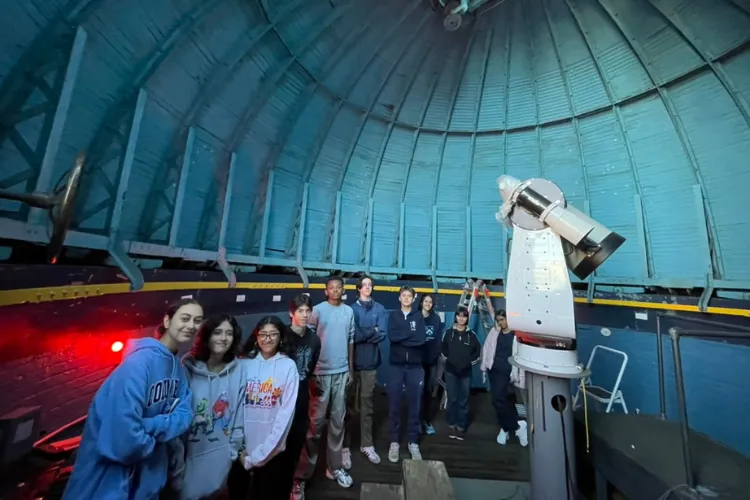
Launched by Columbia astronomy PhD students, the Student Training in Astronomy Research (STAR) Mentoring Program, offers paid research opportunities to local high school students. Throughout the academic year, students work alongside Columbia astronomers on, engaging them in cutting-edge research projects, on with topics ranging from lunar impact rates to exoplanet orbits black hole formation. Rooted in mentorship and community impact and now in its second third year, the STAR program continues to grow, expanding access to science education and fostering the next generation of astronomers.
Building a Pipeline of Opportunity
While each program has its own mission, together they form a powerful ecosystem of opportunity, by creating pathways to college and research careers and building the pipeline of the next generations of scientists and scholars. Columbia is deeply grateful to the Pinkerton Foundation for the role its support continues to play in the lives of the students who walk through these programs’ doors every year.
To learn more about these Columbia programs, visit their websites:
Secondary School Field Research Program
Brain Research Apprenticeships in New York at Columbia
Student Training in Astronomy Research (STAR) Mentoring Program